
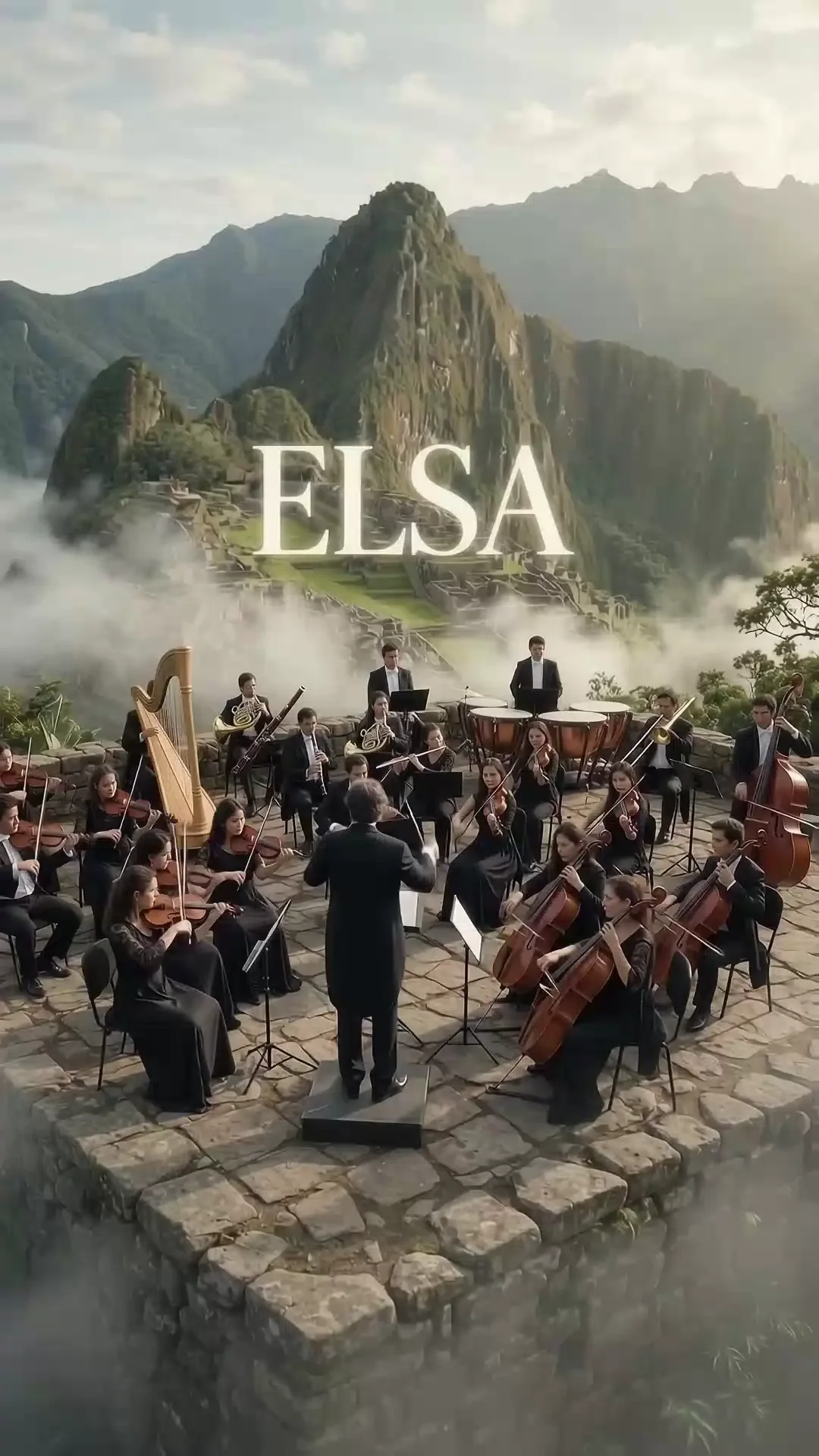
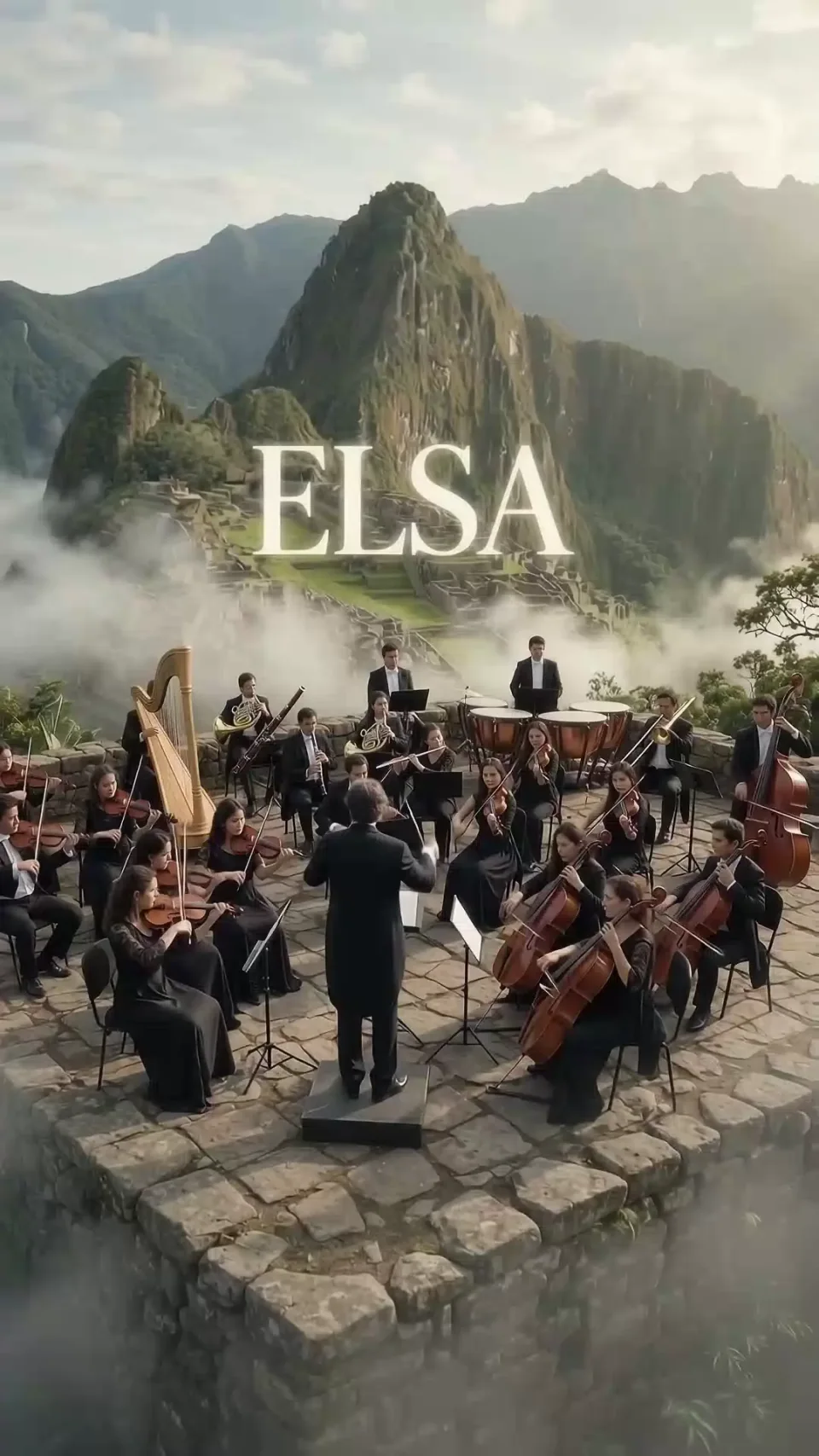
Popular music has the distinct quality of embedding itself within emotional memory through everyday events. For Ramiro Ponce de León, the piece known as Elsa directly evokes his childhood years, a time when family celebrations and gatherings consistently found in this song a reason for guests to hit the dance floor. Driven by this personal recollection, the author decided to craft a proposal described as an orchestrated version in a classical symphonic style, aiming to capture the sensations tied to that festive atmosphere within a new sonic framework.
Personal Memory and Creative Intent
The starting point of this work rests entirely on the creator's subjective experience. According to his account, the core motivation lies in translating the lively and danceable character he witnessed in his family environment into the textures and formal language of symphonic music. This initiative responds to an intention of emotional tribute, wherein a melody associated with popular dance is reshaped through expansive instrumental resources.
It is important to clarify that the presented work is strictly defined as an orchestral arrangement or adaptation conceived by Ponce de León. The framing of the project reflects his individual approach to the musical material, seeking to offer audiences a listening experience that bridges the intimate memory of childhood parties with the aesthetic solemnity suggested by the symphonic format.
Inquiry into Works Identified by the Title
In the absence of original sheet music, complete lyrics, or registration details within the author's direct account, it becomes necessary to examine the Spanish-American repertoire to contextualize the most representative eponymous pieces that align with the description of a widely danced song.
The clearest match within the realm of dance music corresponds to the Peruvian cumbia Elsa, a work composed by Tomás Rebata Acevedo and recorded in 1970 by the group Los Destellos, under the musical direction and arrangements of Enrique Delgado Montes, with vocals by Félix Martínez Romero. This production, originally released by the IEMPSA label, achieved immense commercial reach and established itself as one of the cornerstone pieces of regional cumbia and chicha, becoming over the decades a standard classic across dance floors and family gatherings.
On the other hand, in the sphere of student and serenade music, there is another notable composition by the same name, created in the late 1980s by Manuel Dueñas for the tuna songbook in Seville. However, the characteristics of the latter lean toward traditional serenading lyricism, distancing itself from the dance-party profile evoked by the author, even though it also belongs to the Spanish-speaking popular heritage under that same title.
Editorial Scope and Delimitation of the Version
Given the existing alternatives in the musical catalog, editorial rigor requires noting the absence of definitive metadata that links the adapted version with absolute certainty to a specific score, even if the work historically performed by Los Destellos represents the closest parallel to the described family party experience. Maintaining this distinction allows for appreciating the author's personal memory without making categorical attributions unverified by the primary source.
Likewise, it is appropriate to clarify that the designation classical symphonic version applied to this work reflects the stylistic approach chosen by Ramiro Ponce de León for his recreation, without presupposing a live performance by an actual orchestra or altering the underlying work's copyright ownership. The proposal stands as an independent creative reading that uses an emotional childhood memory as a sonic bridge toward new instrumental languages.
Creative credits
Creative credits
- Original composition
- Tomás Rebata Acevedo
- Version, production and tools
- Arrangement and adaptation by Ramiro Ponce de León based on memories of the popular work Elsa.
AI translation of the original Spanish article. The author’s voice and cited sources remain in their original language.

Author’s contribution
I am Ramiro, from Cusco, an entrepreneur passionate about music and technology. I enjoy giving new life to popular songs through symphonic reinterpretations with artificial intelligence. At RAMIROBIZ I share my creations and projects:
Editorial process
Text prepared based on the personal testimony of Ramiro Ponce de León and cross-referenced with musical databases and historical popular music repertoire.
Sources
Sources
01Información sobre la cumbia peruana Elsa de Los Destellos y su impacto cultural.
Accessed on 2026-10-13Registro de la obra homónima Elsa perteneciente al cancionero de tuna.
Accessed on 2026-10-13Editorial history
Published 13/10/2026. Updated 13/10/2026.